
Ammonia Symptoms Start With a Water Test, Not Guesswork
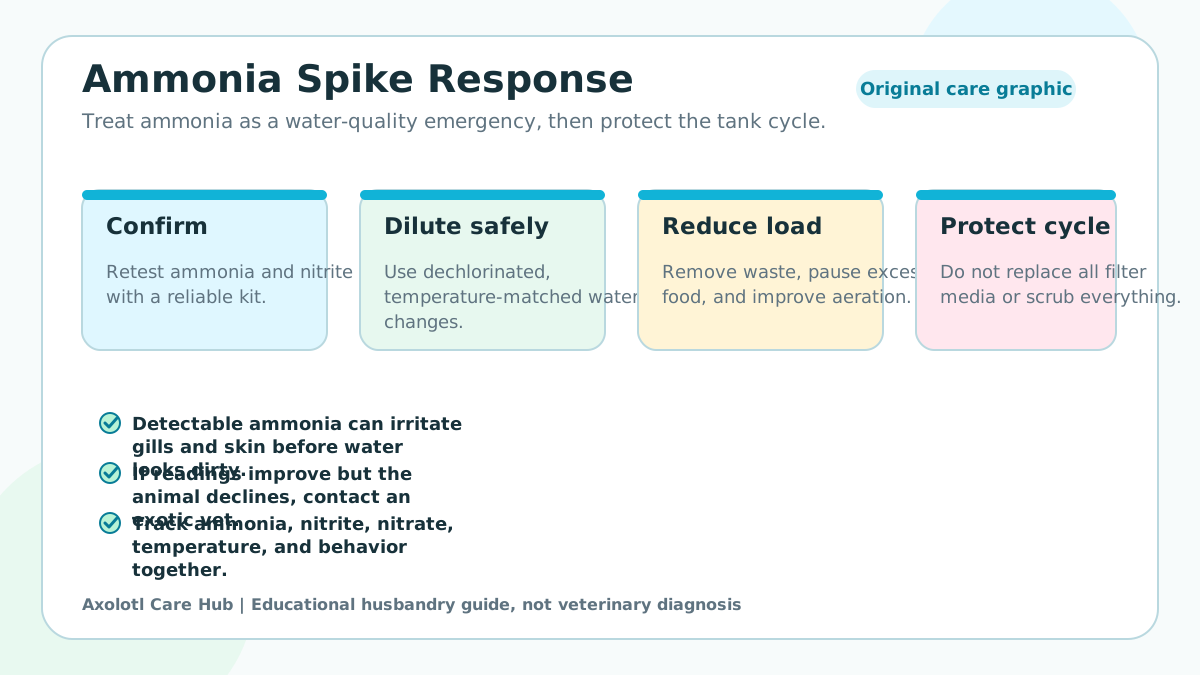
Important: Detectable ammonia is a serious water-quality problem in an axolotl tank. Even low readings can irritate gills and skin, and symptoms may be subtle at first.
Every axolotl keeper should know how to recognize possible ammonia exposure and respond calmly. If your axolotl is gasping at the surface, showing frayed gills, refusing food, or acting suddenly weak, test the water before trying random treatments.
Why Ammonia Is Hard to Spot Early
Ammonia naturally accumulates from axolotl waste, uneaten food decaying, and decomposing organic matter in the closed tank environment.
In a properly cycled tank, beneficial bacterial colonies convert ammonia into nitrite and then nitrate. Ammonia and nitrite are both problems for axolotls, so an uncycled tank or cycling crash can become risky before the tank looks dirty. This is why regular testing is more reliable than judging by water clarity alone.
How Ammonia Harms Axolotls at the Cellular Level
Ammonia exposure can affect delicate tissue before the problem is obvious from a distance. Understanding the risk helps explain why prompt water testing matters:
- Gill tissue irritation: Ammonia can inflame delicate gill tissue and make breathing harder
- Behavior changes: Exposure may show up as lethargy, surface gasping, or disorientation
- Short-term exposure risk: Acute spikes can become dangerous quickly
- Prolonged exposure: Ongoing exposure can cause severe decline without correction
Recognizable Ammonia Symptoms in Axolotls
Early detection matters. Watch for these possible warning signs:
- Gill tissue changes: Redness, inflammation, or fraying at delicate edges
- Surface gasping: Repeated mouth opening at the water surface
- Progressive lethargy: Decreased movement and responsiveness
- Complete appetite loss: Refusing even favorite foods
- Red or inflamed skin patches: Particularly on sensitive areas
- Erratic swimming: Swimming irregularly or showing balance difficulty
- Clamped gill posture: Gills held tight against the body
- Excess mucus coating: Protective mucus buildup on skin or gills
What to Do When You Detect Ammonia Symptoms
If you suspect ammonia exposure, test and correct the environment promptly. Follow these steps in order:
- Test water parameters: Confirm ammonia levels using a reliable, fresh liquid test kit
- Perform appropriate water changes: Replace part of the tank water with properly dechlorinated, temperature-matched water based on the reading and severity
- Reduce feeding temporarily: Offer less food while you stabilize water quality
- Increase surface aeration: Add an extra air stone to improve dissolved oxygen levels
- Verify filtration function: Ensure your filter is working correctly with adequate flow
- Monitor closely: Watch for improvement over the next 24-48 hours
Ammonia Incident Log
Use a written log when you detect ammonia. It keeps the response methodical and helps you see whether the tank is stabilizing or drifting again.
| Time | Ammonia | Nitrite | Nitrate | Temperature | Action taken | Axolotl behavior |
|---|---|---|---|---|---|---|
| Example check | 0.25 ppm | 0 ppm | 10 ppm | 17°C / 63°F | 25% water change and added aeration | Gills slightly curled, refused food |
If readings improve but the axolotl looks worse, treat that as more important than the number alone and contact an exotic veterinarian.
Preventing Ammonia Issues Long-Term
The best defense against ammonia is consistent prevention rather than emergency treatment.
1. Cycle Your Tank Properly from the Start
Do not add axolotls to a new tank without completing the nitrogen cycle first.
This process establishes beneficial bacterial colonies that break down ammonia naturally. Follow axolotl tank setup guidelines for cycling and stability before adding an animal.
2. Perform Regular, Scheduled Water Changes
Even in cycled tanks, regular water changes help keep waste from building up.
Plan routine partial water changes to stabilize water chemistry and remove accumulated waste before it breaks down. Consistency matters more than chasing one single percentage.
3. Avoid Overfeeding
Excess food decomposes quickly and can contribute to ammonia buildup.
Use the axolotl feeding calculator as a starting point for age-appropriate portions. Remove uneaten food within 15 minutes to reduce waste buildup.
4. Clean Up Waste and Leftovers Promptly
Simple maintenance habits reduce ammonia risk over time.
Remove uneaten food within 15 minutes of feeding and siphon visible waste carefully during water changes.
5. Maintain Proper Filtration
Your filter is a core part of ammonia control because it supports the bacterial colony that processes waste.
Ensure your filter is appropriately sized for your tank volume and clean it carefully. Rinse filter media only in old tank water so you do not remove the bacterial colony that helps process waste.
6. Avoid Overstocking Your Tank
Too many axolotls in a small tank can overwhelm filtration and water-change routines.
Follow tank sizing guidelines and resist adding more animals than your system can safely support long-term.
When to Seek Professional Help
Some situations require urgent veterinary care beyond basic maintenance. Treat the situation as urgent if:
- High ammonia with symptoms: Elevated readings paired with visible distress
- Severe symptoms: Gasping, collapse, or near-unconsciousness
- No improvement: No measurable improvement after 24 hours of appropriate water changes
- Multiple animals affected: Multiple axolotls in the same tank showing symptoms simultaneously
If your axolotl has stopped eating completely after a water-quality problem, read axolotl not eating for careful recovery-feeding guidance.
Long-Term Recovery Expectations
Recovery from ammonia poisoning depends entirely on how early the issue was detected.
Axolotls may recover well from mild exposure if the problem is caught early, but severe or repeated exposure can damage delicate gill tissue. During recovery, prioritize stable conditions:
- Stable temperature: Keep the tank in the recommended cool range
- Clean water quality: Test regularly and keep ammonia and nitrite at 0 ppm
- Gentle feeding: Carefully calibrated using the axolotl feeding calculator
- Low-stress environment: Plenty of hiding places and minimal disturbance
Staying Vigilant
Ammonia exposure is largely preventable with cycling, testing, careful feeding, and routine maintenance. By learning the early signs and testing quickly, you can correct the environment before a mild problem becomes serious.
Tip: If you suspect gill damage has already occurred, review axolotl-gill-loss for guidance on supporting gill regeneration during recovery.