
Treat Fuzzy Growth as a Boundary Problem
Fungus on an axolotl usually shows up as white, fluffy, cotton-like growth on gills, toes, or the body. It’s often a symptom of stress — especially warm water or poor water quality — rather than something that appears “out of nowhere.”
Safety Boundary: What This Guide Can and Cannot Do
Use this guide to identify a fungus-like pattern, check the most common husbandry triggers, document whether it is spreading, and decide when to contact an exotic veterinarian. It cannot confirm the organism, rule out bacterial infection, or prescribe antifungal treatment from appearance alone.
Keep home action low-risk: test water, cool the tank into the normal range, reduce stress, remove injury hazards, and take photos. Do not start random fish medications, concentrated salt baths, methylene blue, tea baths, scraping, or repeated tubbing unless an experienced exotic veterinarian gives species-specific instructions.
If the patch is spreading fast, appears on the eye or mouth, follows an open wound, returns repeatedly, or comes with lethargy, appetite loss, respiratory distress, swelling, or balance problems, treat veterinary contact as the next step.
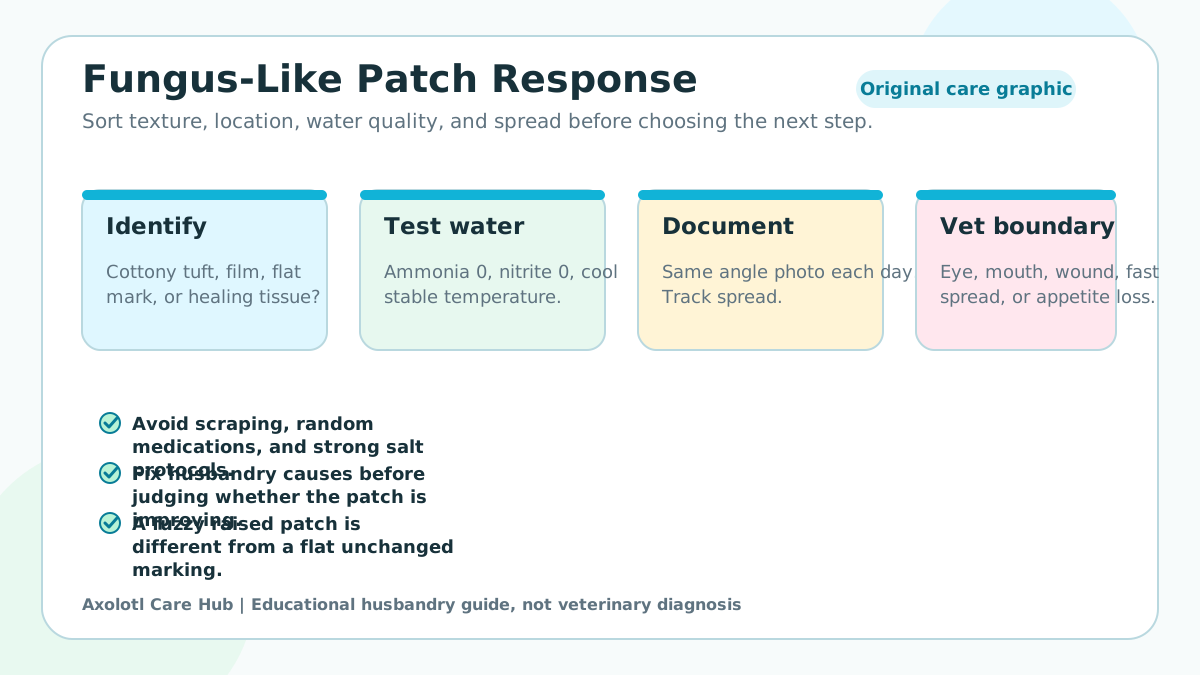
First Check: Confirm the Patch and the Tank
Before calling anything fungus, record the visible patch and the tank conditions together.
| Check | What to Record | Why It Matters |
|---|---|---|
| Patch texture | Cottony, slimy, smooth, stringy, or shedding-like | Fungus-like growth can resemble slime coat or pale healing tissue |
| Location | Gills, toes, body, eye, mouth, or wound edge | Eye, mouth, and open-wound involvement raise urgency |
| Spread | Same size, shrinking, or larger since last photo | Progression matters more than a single snapshot |
| Temperature | Current reading and recent high | Warm water increases stress and can worsen infection risk |
| Ammonia/nitrite/nitrate | Full liquid test results | Poor water quality can damage skin and gills |
| Behavior | Appetite, gill movement, balance, hiding, activity | Whole-body changes make the case higher risk |
If ammonia or nitrite is detectable, correct water quality before evaluating whether the visible patch is improving.
What Axolotl Fungus Looks Like
Recognizing fungus early gives you the best chance of addressing it before it spreads. Common descriptions include:
- White or off-white fluff on gills or skin
- Tufts that wave in the current, distinct from normal slime coat
- A patch that seems to grow over a day or two
Not everything white is fungus. Some axolotls shed a bit of slime coat after stress, and some injuries can look pale. If you’re unsure and the axolotl is worsening, treat it as urgent.
Fungus Decision Table
| What You See | More Likely Category | First Response | Vet Urgency |
|---|---|---|---|
| Small cottony tuft on gill tip, still eating | Local fungus-like growth or damaged tissue | Test water, cool/stabilize, photograph daily | Prompt if spreading or recurring |
| White film after stress, not attached as a tuft | Slime coat irritation or shedding | Correct water and reduce handling | If paired with lethargy or skin damage |
| Fuzzy patch on a bite, scrape, toe, or tail wound | Fungus on injured tissue | Remove hazard, keep water pristine, document | Prompt exotic-vet guidance |
| Fuzzy tissue near eye or mouth | High-risk location | Do not medicate blindly; gather photos | Same day if worsening or feeding affected |
| Fungus plus appetite loss, floating, fast breathing, or severe lethargy | Systemic stress or infection possible | Stabilize environment and contact help | Same day or emergency |
| Repeated fungus despite stable water | Underlying husbandry, injury, or illness pattern | Review logs and setup history | Veterinary review recommended |
This table helps sort urgency. It does not identify the organism or choose medication.
The Real Root Causes (Fix These First)
Fungal-looking patches often appear after stress, injury, or water-quality problems. Addressing the root cause is more important than treating the visible symptom alone.
1) Water Quality Problems
Test these parameters immediately:
- Ammonia: Should be 0 ppm
- Nitrite: Should be 0 ppm
- Nitrate: Keep at manageable levels through regular water changes
If ammonia or nitrite is above 0, fix water quality immediately. A stable, cycled tank is the best long-term prevention.
For a full cycling and maintenance walkthrough, use axolotl tank setup as your checklist.
2) Warm Water
Warmth increases stress and reduces oxygen, creating conditions that favor fungal growth. Aim for 16—18 C in most setups.
For cooling strategies, see axolotl water temperature.
3) Stress and Injuries
Nips, abrasions, and rough decor can give fungus a foothold on damaged tissue. Smooth hides and gentle flow reduce risk significantly.
Safe First Steps You Can Take Today
When you spot fungus, work through these actions in order:
- Test water and correct any ammonia or nitrite issue immediately.
- Cool and stabilize temperature to the recommended range.
- Reduce stress: Dim lights, add hides, and reduce flow if it is too strong.
- Remove obvious irritants: Sharp decor, rough rocks, and any questionable tankmates.
If your axolotl also stops eating, read axolotl not eating.
If gill tissue looks reduced at the same time, review axolotl gill loss to guide recovery priorities.
What to Avoid
Certain common reactions can do more harm than good. Steer clear of these approaches:
- Random medications without a diagnosis: Many fish meds are harsh for axolotls and can worsen stress.
- Salt in the main tank: It can damage plants and beneficial bacteria without addressing the root cause.
- Frequent handling: It increases stress and can worsen skin irritation at a time when the slime coat is already compromised.
When to Contact an Exotic Vet
Seek professional help if any of the following apply:
- Fungus spreads rapidly or returns repeatedly after corrections
- There are open wounds, bleeding, or severe skin sloughing
- The axolotl becomes lethargic, can’t stay upright, or deteriorates quickly
- The patch involves the eye, mouth, cloaca, or a deep wound
- You are considering medication, salt treatment, or debridement
Prevention: The “Boring” Formula That Works
Long-term prevention comes down to consistent, unglamorous husbandry:
- Cool, stable water: Temperature within the recommended range year-round
- Fully cycled filtration: Reliable biological filtration with regular maintenance
- Low stress: Hides, gentle flow, and minimal handling
- High-quality diet: Appropriate feeding schedule matched to age and temperature
Fungus is often the visible tip of the iceberg. Fix the tank conditions and you’ll fix the pattern.
Where to Go from Here
Once conditions are corrected, use the axolotl feeding calculator to resume a gentle feeding routine and monitor appetite as the axolotl recovers. If fuzzy tissue is near the eye, compare it with axolotl eye infection. If it follows a visible wound, review axolotl front leg injury or axolotl tail injury depending on the location.
Observation Log: Fungus Photos and Changes
Fungus can look different from slime coat shedding, pale scar tissue, or an old injury. A simple photo log helps you judge whether a patch is spreading, shrinking, or staying the same.
| Day | Patch size/location | Water tests | Appetite | Action taken |
|---|---|---|---|---|
| 1 | Temp, ammonia, nitrite, nitrate | |||
| 2 | ||||
| 3 |
Use the same angle and lighting each time. If the patch spreads quickly, returns after environmental corrections, or appears with lethargy or open wounds, contact an exotic veterinarian.