
Temperature Sets the Whole Tank Rhythm
Water temperature is one of the most important parts of axolotl care, and it affects appetite, stress, oxygen levels, and long-term health. If your axolotl has started floating, refusing food, or acting restless, temperature should be one of the first things you check.
For beginner keepers in the US, temperature problems often happen quietly. The tank may look fine, the room may not feel especially hot, and the filter may still be running normally, but the water can still be warm enough to cause stress.
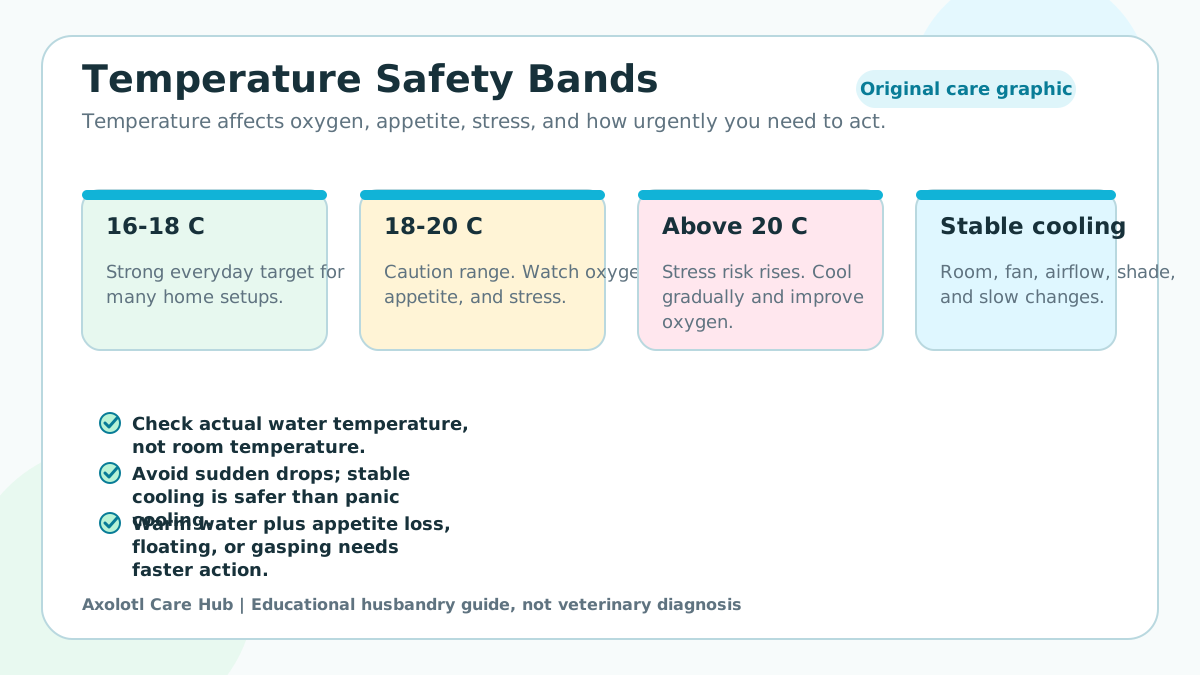
Ideal Axolotl Water Temperature
For most pet axolotls, this is a practical guide to temperature ranges and what each one means:
- 16—18 C (about 61—64 F): Strong everyday target for most setups
- 14—16 C (about 57—61 F): Usually tolerated, with a slower metabolism
- 18—20 C (about 64—68 F): Caution range, especially for longer periods
- Above 20 C (68 F): Stress risk rises, particularly if this is constant
Short swings can happen, but steady warm water is where many problems begin. A tank that spends all afternoon or evening above the ideal range can slowly wear an axolotl down even if it looks normal in the morning.
Why Temperature Matters So Much
Warm water causes two problems at the same time:
- Reduced dissolved oxygen: The water holds less oxygen as temperature rises.
- Increased oxygen demand: The axolotl’s metabolism speeds up, requiring more oxygen.
That mismatch can lead to a range of visible symptoms:
- Reduced appetite or axolotl not eating
- Surface hanging or air gulping: Signs the axolotl is struggling for oxygen
- More axolotl floating: Buoyancy issues connected to stress
- General stress: Including gill posture changes and restlessness
This is why temperature shows up behind so many “mystery” behavior issues.
Quick Checks if You Think the Tank Is Too Warm
If something seems off, work through these steps before making other changes:
- Check the actual water temperature with a reliable thermometer, not the room temperature.
- Measure at different times of day. Late afternoon and evening are often the warmest.
- Check the tank location. Sunlight, nearby electronics, or a warm room can all add heat.
- Notice any behavior changes. Refusing food, increased movement, floating, or gill changes are useful clues.
- Check whether the tank feels stable or swings a lot. Fluctuation itself can add stress.
Tip: Do not guess. Many keepers are surprised by the real number once they start checking consistently.
Common Reasons an Axolotl Tank Gets Too Warm
Several factors can drive water temperature higher than expected. Often it is a combination rather than a single cause.
The Room Itself Is Warm
This is the most common cause in many homes, especially during summer or in apartments without strong cooling. If the room stays warm, the tank will usually follow.
Sun Exposure
Even indirect sunlight can warm water over hours. Tanks near windows often run hotter than expected.
Heat from Equipment
Filters, pumps, lids with poor ventilation, and certain lights can slowly raise temperature. A small increase from each source adds up.
Poor Airflow Around the Tank
Stagnant warm air above the surface makes cooling harder. Sometimes the problem is not one major heat source, but a closed, stuffy setup.
What to Do if the Water Is Too Warm
Move Toward Stable Cooling, Not Panic Cooling
The goal is not to crash the temperature. The goal is to bring it down safely and keep it there. These first moves often help more than dramatic short-term fixes:
- Lower the room temperature if possible
- Open airflow around the tank
- Reduce unnecessary lighting heat
- Use a small fan across the water surface
Use Evaporative Cooling
A fan aimed across the water surface is one of the most practical options for home keepers. It can lower temperature by a few degrees depending on room conditions.
Keep these points in mind when relying on evaporative cooling:
- Top off evaporated water with dechlorinated water regularly
- Watch the thermometer, not just the fan setting
- Expect better results in drier air than in very humid rooms
Reduce Avoidable Heat Sources
Walk through these questions to identify heat sources you may be able to eliminate:
- Is the tank in direct or indirect sun?
- Is the light stronger than you actually need?
- Is the filter oversized or running hotter than expected?
- Is the lid trapping heat?
Sometimes a better location or simpler lighting setup solves more than a gadget does.
Use Frozen Bottles Carefully if Needed
This is a short-term tactic, not a complete plan. A sealed bottle can help during a heat spike, but rapid temperature swings create their own problems.
Follow these guidelines if you use this method:
- Change temperature gradually: Avoid dropping several degrees at once
- Use a sealed container, not loose ice
- Keep monitoring with a thermometer throughout the process
Consider a Chiller if Your Climate Demands It
Some keepers can manage with fans and room cooling. Others, especially in hotter climates or upstairs rooms, eventually need a chiller for consistency. Stability matters more than the specific tool you use to get there.
What if the Water Is Too Cold?
Cold is usually less dangerous than persistent warmth, but it still changes behavior. If the water drops low enough, metabolism slows and the axolotl may eat less. This can confuse new keepers into thinking the animal is sick when it may simply be less interested in food because everything has slowed down.
That does not mean very cold water is ideal. It means you should interpret appetite in context.
Tip: Before increasing feeding, check the temperature and compare your schedule with the axolotl feeding calculator.
Temperature and Feeding
Temperature changes how often an axolotl is ready to eat. Adjusting your feeding plan to match the current temperature range keeps things more predictable:
- Warmer water does not mean you should just feed more
- Cooler water may mean smaller appetite and slower digestion
- Stable water makes feeding patterns much easier to understand
Important: If the tank has been warm and the axolotl is acting off, cool the tank first, then reassess the feeding plan. Pair the axolotl feeding calculator with axolotl not eating if appetite has already become inconsistent.
Temperature and Other Symptoms
Temperature is not just about comfort. It often connects to other problems in ways that are easy to overlook:
- Warm tanks can contribute to appetite loss
- Low oxygen can encourage surface behavior
- Stress can worsen buoyancy problems
- Long-term stress can make recovery from minor issues slower
This article is educational and focused on husbandry, not diagnosis. If your axolotl is rapidly declining, unable to stay upright, or showing severe skin changes, contact an exotic veterinarian.
Prevention: How to Keep Temperature Stable Long Term
The best temperature plan is built into the setup from the beginning. These habits prevent far more problems than they fix later:
- Put the tank in the coolest reasonable room
- Keep it away from windows
- Use a reliable thermometer
- Check temperature at the same time each day
- Keep lighting simple and low-heat
- Use gentle flow and good airflow
- Build a summer plan before the first heat wave
For a full setup walkthrough, see axolotl tank setup.
A Simple Rule of Thumb
If your tank lives above 20 C / 68 F for much of the day, treat that as a husbandry problem worth solving now, not later. Temperature is one of the biggest levers you have as a keeper, and getting it right makes feeding, behavior, and general health much easier to understand.
7-Day Temperature Log
Before buying new equipment, measure the pattern. A cheap thermometer and a short log often show whether the problem is sunlight, room heat, lighting, or a daily temperature swing.
| Day | Morning temp | Evening temp | Room condition | What changed |
|---|---|---|---|---|
| 1 | Window open / AC / heat wave | |||
| 2 | ||||
| 3 | ||||
| 4 | ||||
| 5 | ||||
| 6 | ||||
| 7 |
Look for repeatable patterns. If the tank rises every afternoon, solve light, sun exposure, or room cooling. If it jumps after maintenance, temperature-match new water more carefully. If it is warm all day and all night, a fan alone may not be enough for your climate.
Sources and Further Reading
- Ambystoma Genetic Stock Center axolotl husbandry guide
- Axolotl.org requirements and water conditions
- LafeberVet axolotl care handout
Going Further
If warm water has already affected appetite, continue with axolotl not eating. If temperature issues are part of a larger setup problem, revisit axolotl tank setup and use the axolotl feeding calculator to adjust feeding once the tank is stable again.