Use This Page for Missing or Damaged Gill Tissue
Healthy axolotl gills usually look feathery and full for that individual animal. If the gills shrink, fray, or look “burned back,” the cause is often ongoing stress from water quality, temperature, flow, infection, or repeated disturbance.
This guide focuses on visible tissue loss, fraying, damage, “burned back” gills, or slow shrinkage over time. If you only need a baseline comparison, start with axolotl gills normal vs unhealthy.
What Gill Loss Can Look Like
Gill deterioration can take several forms, and the changes sometimes happen gradually enough to miss. Watch for these signs:
- Feathery filaments become short or sparse: The fine branches along each gill stalk thin out
- Gill stalks look thinner than before: The main structures lose their fullness
- Color may fade: Healthy gills typically show rich coloring
- The axolotl may spend more time at the surface: Reduced gill function can drive surface-seeking behavior
Gill appearance varies by genetics, but sudden changes deserve attention.
The Most Common Causes
1. Water Quality Irritation
Ammonia and nitrite exposure can irritate delicate gill tissue. Brief spikes may still matter, especially if they repeat.
To address this:
- Test first: Ammonia and nitrite should both read 0
- Correct with water changes and work toward a stable cycle
2. Warm Water and Low Oxygen
Warmth increases oxygen demand while reducing oxygen availability. Over time, this mismatch can visibly stress the gills.
To address this:
- Move toward a stable cool range: See axolotl water temperature for target numbers
- Increase gentle aeration: An air stone or sponge filter improves oxygen exchange
3. Excessive Flow
Strong current can cause an axolotl to clamp its gills and remain stressed throughout the day.
To address this:
- Baffle the filter output with a spray bar or sponge
- Add plants and hides to break the flow pattern
4. Chronic Stress and Poor Environment
Lack of hides, bright lights, and constant disturbance can keep stress levels high even when water parameters look acceptable.
To address this:
- Use the axolotl tank setup checklist to systematically reduce stressors
If white cottony patches are also present, check axolotl fungus — fungal infections and gill loss sometimes occur together.
Gill Loss Decision Table
Use this table to decide whether the change looks like a husbandry trend or a same-day concern.
| What changed | First check | Urgency |
|---|---|---|
| Filaments look shorter over weeks | Temperature, nitrate trend, flow, diet | Review setup and document weekly |
| Gill tips look burned after a water event | Ammonia/nitrite and source water | Correct water immediately |
| Gill stalk is injured or bleeding | Tank mates, decor, intake safety | Contact an exotic vet if tissue damage is significant |
| Gill tissue has white fuzzy growth | Fungus on damaged tissue | Prompt veterinary guidance |
| Gill loss plus floating, lethargy, or food refusal | Whole-body illness or water-quality crisis | Same-day help if worsening |
Gill loss is rarely solved by treating the visible gill alone. The useful question is what kept irritating or damaging the tissue.
Can Gills Grow Back?
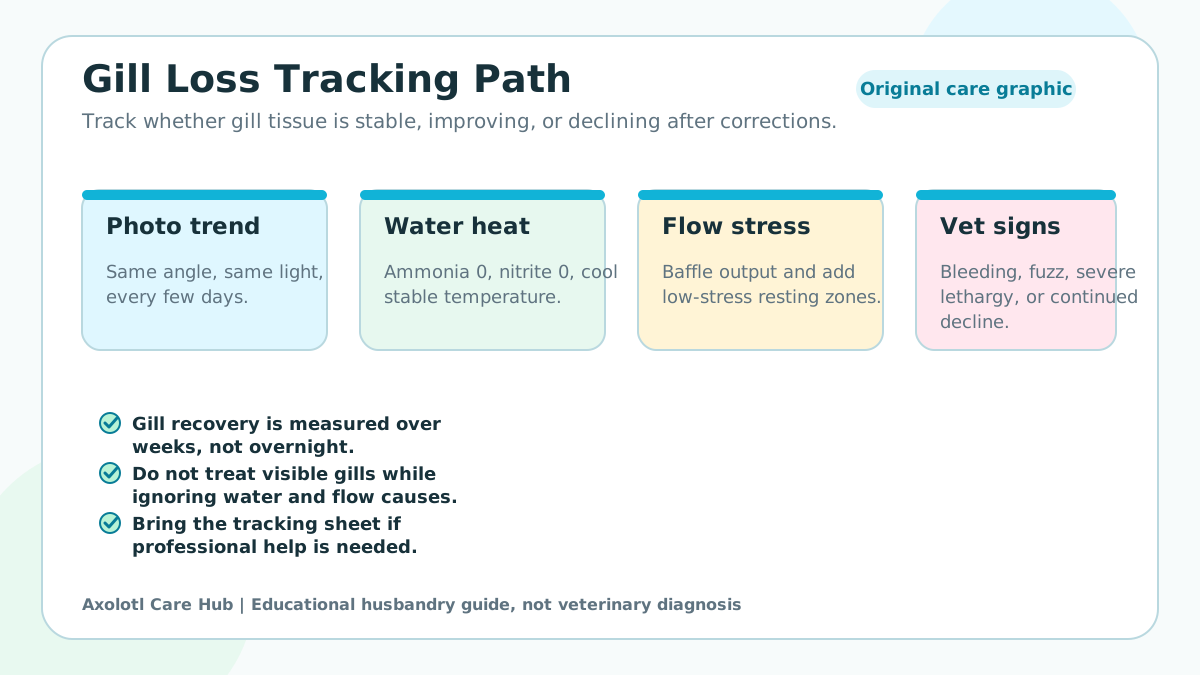
Gill tissue can improve when conditions improve, especially if the axolotl is otherwise healthy. The key is consistency — cool, clean water and low stress over weeks, not days. Recovery is gradual, so measure progress in small improvements rather than expecting a dramatic overnight change.
Gill Recovery Tracking Sheet
Track the same details every few days. This makes it easier to tell whether the gills are improving, stable, or still declining.
| Date | Gill filament length | Gill color | Appetite | Ammonia/nitrite | Temperature | Notes |
|---|---|---|---|---|---|---|
| Weekly photo | Stable | Usual | Normal | 0 / 0 ppm | 17°C / 63°F | Flow baffled, photo taken |
If the record shows continued decline despite stable water, cool temperature, and gentle flow, involve an exotic veterinarian rather than adding random treatments.
When Gill Issues Are Urgent
Contact an exotic vet if you see any of the following:
- Rapid decline or severe lethargy: The axolotl is unresponsive or barely moving
- Bleeding, open wounds, or heavy slime coat: Visible tissue damage beyond shrinkage
- Persistent floating or inability to right itself: A sign that overall health is compromised
- White cottony growth or spreading discoloration: Possible infection on damaged tissue
- Continued decline after corrections: A sign that the problem is not only routine husbandry
What Recovery Should Look Like
Recovery usually appears as stability first, then gradual regrowth. A good trend looks like:
- no new tissue loss,
- calmer gill posture,
- normal appetite returning,
- less surface seeking,
- filaments looking slightly fuller over weeks.
If gills look better but appetite, balance, or skin condition worsens, do not call it recovery yet. Track the whole animal, not only the gill shape.
What Not to Add Randomly
Avoid adding medications, salt, tea, or other treatments just because the gills look smaller. Gill loss is often tied to water quality, temperature, flow, stress, or infection, and those causes do not all need the same response. Random additives can irritate amphibian skin and make it harder to tell whether clean water is helping.
The safer first move is controlled information: test water, cool gradually if needed, reduce strong flow, improve aeration, and document the trend. If the gills continue declining or fungus appears, bring the log to an exotic veterinarian instead of escalating home treatment.
A Practical Recovery Plan
Once you have identified the likely cause, follow these steps in order to give the gills the best chance of recovery:
- Lock in temperature stability: Consistent cool water is the foundation
- Confirm ammonia and nitrite are 0: Test daily until you trust the cycle
- Reduce flow and increase aeration: Gentle water movement with good oxygen exchange
- Feed a consistent, high-quality diet once appetite is stable
For more on gill posture and curling, see axolotl curled gills.
What to Do Next
If gill condition and appetite both decline, follow axolotl not eating while you stabilize temperature and water quality, then use the axolotl feeding calculator to resume a conservative schedule.
Avoid Overcorrecting the Tank
Gill recovery needs stability. Large, repeated water changes, sudden temperature drops, and constant equipment changes can add stress even when the intention is good. Correct unsafe readings promptly, but once ammonia, nitrite, temperature, and flow are stable, hold the routine steady long enough to see a trend.
If you need to make several changes, space them out when safety allows and write down what changed.