
Start With Shape, Buoyancy, and Stool
Have you noticed your axolotl’s belly looking unusually round or swollen? A bloated appearance can be confusing because it can range from a normal post-meal shape to a health concern that needs prompt attention.
Understanding the full context and accompanying symptoms is key to choosing the safest next step. Rather than panicking at the first sign of distention, work methodically through this decision framework.
Safety Boundary: What This Guide Can and Cannot Do
Use this guide to compare timing, appetite, posture, waste, and water quality before deciding whether a round belly looks like normal digestion or a higher-risk pattern. It cannot diagnose impaction, organ disease, parasites, infection, egg retention, or gas bubble disease.
Keep home action low-risk: pause extra feeding if the axolotl is full, keep water cool and stable, test ammonia and nitrite, photograph the belly from the same angle, and watch behavior. Do not squeeze the belly, massage the body, force-feed, add oils, attempt constipation procedures, or start medication unless an experienced exotic veterinarian gives species-specific instructions.
If swelling is sudden, tight, asymmetric, worsening, paired with floating or balance loss, or accompanied by appetite collapse, redness, lesions, or severe lethargy, contact an exotic veterinarian promptly.
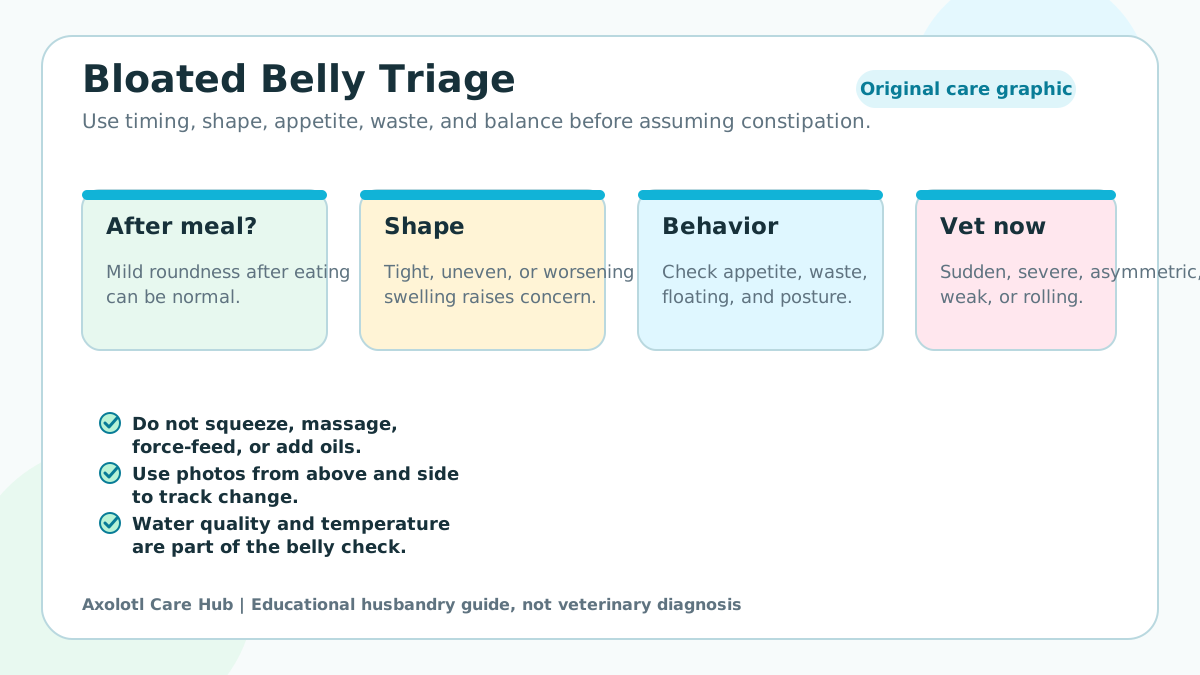
First Check: Is the Bloated Belly Normal?
Work through these four assessment steps to determine the cause and appropriate response.
Step 1: When Did the Bloating Start?
- After a meal: Often normal digestion in progress
- Gradually over days: May indicate a more serious underlying issue
- Suddenly without eating: Needs focused attention and closer monitoring
Step 2: Check for Other Symptoms
- Normal activity and appetite: Probably not an urgent situation
- Lethargy or persistent floating: More concerning development
- Redness, swelling, or visible lesions: May indicate active infection
Step 3: Assess Tank Conditions
- Water temperature 16-18°C: Good baseline range for many setups
- Ammonia/nitrite levels: Should read 0 in a stable cycled tank
- Recent feeding: Double-check if portions were potentially too large
Step 4: Monitor Behavior Closely
- Can your axolotl swim normally? Normal mobility is a very good sign
- Is it passing waste regularly? Constipation could be the simple cause
- Does it seem comfortable or distressed? Distress signals an urgent problem
Common Causes of Bloated Bellies
1. Normal Post-Meal Swelling
It is common for axolotls to look slightly rounder after eating, especially after a larger meal. This post-meal distention should trend down as digestion progresses and should not be paired with worsening behavior, redness, floating trouble, or food refusal.
2. Overfeeding
Giving too much food at once or feeding too frequently can cause persistent bloating that lasts beyond normal digestion. Axolotls have naturally slow metabolisms, and excess food can ferment uncomfortably in the digestive tract, creating pressure and discomfort.
Tip: Use the axolotl feeding calculator to ensure properly sized portions at appropriate intervals.
3. Constipation
Digestive slowdown can cause noticeable bloating that does not resolve quickly. It may be accompanied by reduced waste in the tank. Causes range from hard-to-digest food items to accidental substrate ingestion during feeding. Stable cool water, appropriate feeding, and careful observation can help in mild cases, while worsening signs need veterinary input.
4. Water Quality Issues
Poor water quality can affect appetite, behavior, and digestion. Ammonia and nitrite spikes are especially concerning, while high nitrate or unstable conditions can add chronic stress. Regular water changes and proper cycling are important preventative measures that support overall health.
5. Health Concerns
In some cases, bloating indicates serious underlying health issues requiring veterinary attention:
- Bacterial infections: Affecting the digestive tract — compare symptoms with axolotl healthy vs sick indicators
- Internal parasites: Burdening the digestive system
- Developing organ problems: Causing fluid retention or swelling
- Gas bubble disease: From supersaturated water
Bloat Decision Table
Use the belly shape, timing, and behavior together. Size alone is a weak signal.
| Bloat pattern | More likely category | What to do first |
|---|---|---|
| Rounder after a normal meal, still active, improves within 24-48 hours | Normal digestion | Pause extra food and observe |
| Round after repeated large meals or frequent feeding | Overfeeding | Skip the next meal, resume smaller portions |
| Round belly, little waste, reduced appetite | Constipation or slow digestion | Keep water cool/stable and avoid more food temporarily |
| Swelling plus floating or trouble staying upright | Higher-risk buoyancy issue | Check temperature, water quality, and contact a vet if worsening |
| Belly distention plus redness, lesions, or lethargy | Infection or systemic illness possible | Photograph, keep water stable, seek veterinary input |
| Chest/body suddenly looks barrel-shaped with distress | Rare but urgent pattern | Treat as a vet-priority sign, not routine bloating |
Do not squeeze the belly, force feeding, or attempt home procedures to “release” swelling. The safest home action is stable water, careful photos, and appropriate escalation.
What to Do Based on Your Findings
Tailor your response to the specific cause you identified through the decision flow.
If It’s Normal Post-Meal Bloating
Wait 24-48 hours while watching behavior, posture, and waste. Avoid offering more food until the belly is trending back toward its usual shape. When you resume feeding, use smaller portions as a starting point with the axolotl feeding calculator.
If It’s Overfeeding or Constipation
Skip the next meal or two to give the digestive system time to catch up. Keep water cool and stable. After an appropriate pause, consider offering a small amount of a familiar staple food.
If bloating is accompanied by floating behavior, see axolotl floating for additional troubleshooting guidance.
If It’s Water Quality Related
Correct unsafe parameters with properly dechlorinated, temperature-matched water changes. Test daily until parameters stabilize and remain consistent. Check that filtration and cycling are functioning correctly to prevent future crashes.
If It’s Persistent or Accompanied by Concerning Symptoms
Keep the tank environment stable and calm to minimize additional stress. Avoid handling unless it is needed for safety or veterinary care.
Important: Contact an experienced exotic veterinarian promptly for professional guidance and potential treatment options.
When to Contact an Exotic Vet
Seek professional guidance promptly if:
- The belly becomes suddenly large, tight, or asymmetric.
- Floating, rolling, or inability to stay upright appears with swelling.
- The axolotl refuses food and activity drops sharply.
- Redness, lesions, bleeding, or fuzzy tissue appears.
- No waste is seen and the belly continues to enlarge.
- Bloating persists beyond the expected digestion window or keeps returning.
- You suspect swallowed gravel, chemical exposure, or a serious water-quality event.
Bring photos from the same angle, feeding history, waste notes, and water readings.
Preventing Bloating Issues
These consistent habits reduce recurrence of digestive issues:
- Proper portions: Use the axolotl feeding calculator consistently for meals tailored to your axolotl’s size and age
- Balanced diet: Feed appropriate staple foods that support body condition without excess waste
- Safe substrate: Avoid substrate that can be ingested — use sand or bare bottom for juveniles especially
- Good water quality: Keep ammonia and nitrite at 0 and maintain a predictable testing routine
- Stable temperature: Keep temperature cool and steady to support normal metabolism
Putting It All Together
Context matters when assessing a bloated axolotl belly. Timing, appetite, posture, water quality, and whether the belly is improving or worsening together tell you more than size alone.
If appetite changes accompany the bloating, continue with axolotl not eating for step-by-step feeding recovery guidance. For temperature-related concerns, consult axolotl water temperature to ensure your tank stays within the safe range.
Observation Log: Bloating Trend
Use this for 48 hours before making repeated changes, unless severe symptoms appear.
| Time | Belly shape | Last meal | Waste seen? | Floating? | Water tests | Action |
|---|---|---|---|---|---|---|
| Evening check | Round but improving | Earthworm, yesterday | Yes | No | Ammonia 0, nitrite 0, temp 17°C | Observe and pause feeding |
Take photos from the same side of the tank. If swelling worsens, the axolotl cannot stay upright, or appetite and activity collapse together, contact an exotic veterinarian.