
Compare the Whole Pattern, Not One Symptom
Healthy axolotls usually show consistent appetite, smooth skin, relaxed posture, and stable behavior for their individual routine. Sick or stressed axolotls often show a cluster of changes: appetite loss, gill damage, unusual skin patches, floating problems, or sudden inactivity.
The key is pattern recognition. One odd moment is not always illness, but several changes together should make you test the water, check temperature, and consider professional help.
Key Differences: Healthy vs Unhealthy States
The comparison table below provides a side-by-side overview so you can quickly assess where your pet falls on the health spectrum.
| Healthy sign | Potential concern |
|---|---|
| Bright, feathery gills | Frayed, discolored, or curled gills |
| Consistently eats well | Refuses food for 3+ days |
| Smooth, unbroken skin | White spots, lesions, or redness |
| Active at feeding time | Lethargic, rarely moves |
| Maintains balance, stays on bottom | Floats, lays on side, or struggles to swim |
How to Tell in Real Life
Thriving individuals have a stable appearance with full, feathery gills and smooth skin. They respond to food, move slowly but deliberately, and maintain good balance in their environment.
Health-compromised animals may lose interest in food, develop unusual spots or growths, and have difficulty staying submerged. Gill tissue may appear damaged or discolored, but water quality and temperature should still be checked before assuming a specific disease.
Tip: Observe your pet at the same time each day — consistency makes it far easier to spot deviations from their normal routine.
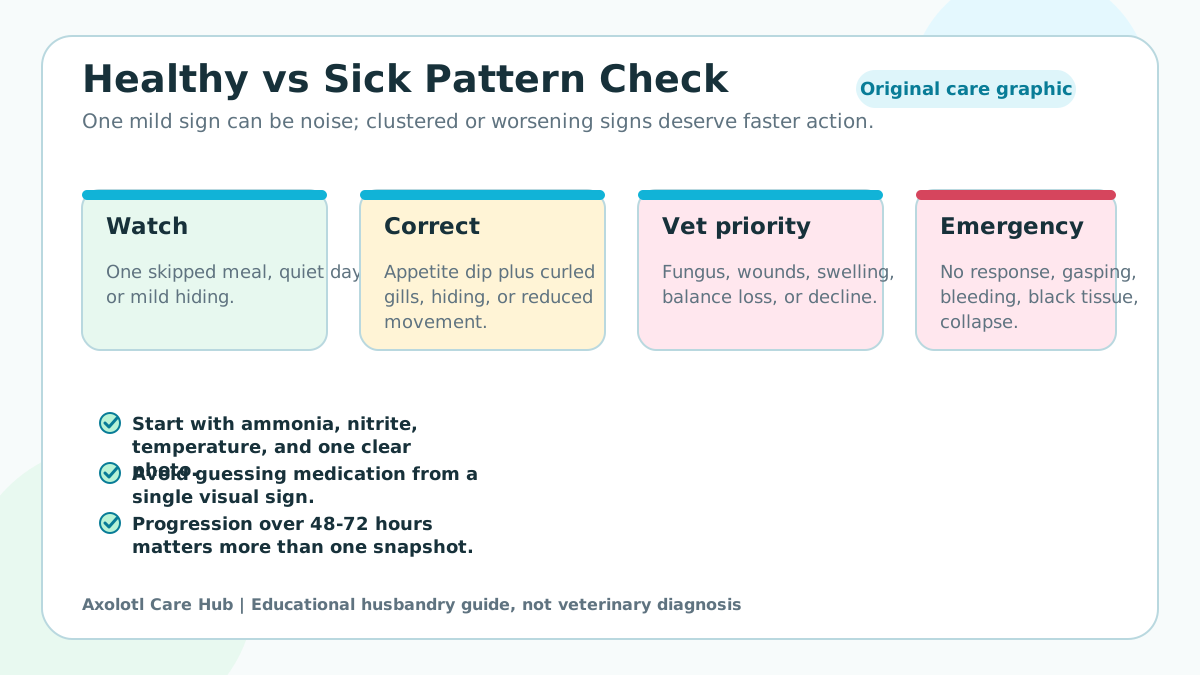
Illness Progression Tiers
Subtle health signs are easiest to act on when they are grouped by urgency instead of treated as isolated trivia.
| Tier | Pattern | What it usually means | Response |
|---|---|---|---|
| Watch | One skipped meal, a quiet day, or mild hiding | Normal variation or mild stress is possible | Log it and recheck water/temperature |
| Correct husbandry | Appetite dip plus curled gills, hiding, or reduced movement | Tank stress is likely | Correct temperature, ammonia, nitrite, flow, and lighting |
| Monitor closely | Two or more signs persist for 48-72 hours | Stress may be becoming illness | Take photos, track weight/body shape, reduce disturbance |
| Veterinary priority | Fungus, swelling, wounds, floating, balance loss, severe lethargy, or spreading discoloration | Possible infection, injury, or systemic illness | Contact an exotic veterinarian with photos and water logs |
| Emergency | No response, gasping, uncontrolled floating, bleeding, black tissue, or rapid collapse | Immediate welfare risk | Seek same-day professional guidance |
The useful pattern is clustering. A single mild sign can be noise; multiple signs moving in the wrong direction deserve faster action.
Quick Health Checks You Can Perform
Running through these checks regularly takes only a few minutes and gives you a snapshot of your animal’s overall condition:
- Gill inspection: Check for fraying, discoloration, or unusual growths
- Skin examination: Look for white spots, lesions, or redness
- Feeding response: Monitor eating patterns and enthusiasm
- Activity level: Observe movement and resting patterns throughout the day
- Water quality test: Ensure ammonia and nitrite are 0, temperature is 16–18°C
Important: A single off day does not necessarily indicate illness. Look for consistent patterns over 48–72 hours before drawing conclusions.
First 10 Minutes When Something Looks Wrong
If the axolotl suddenly looks “off,” start with information that changes the decision:
- Test ammonia and nitrite.
- Check the thermometer against the usual range.
- Look for visible wounds, swelling, fungus, or damaged gills.
- Note whether the axolotl can stay balanced and responsive.
- Take one clear photo before changing the setup.
Avoid guessing at medication during this first check. Most useful decisions come from water readings, temperature, progression, and whether multiple symptoms are appearing together.
Healthy Baseline vs. Red Flag Cluster
Use this as a quick decision tool.
| If you see this | First action |
|---|---|
| One skipped meal, normal posture, normal water tests | Observe and offer a normal food later |
| Appetite loss plus warm water | Cool and stabilize the tank, then reassess |
| Gill curl plus detectable ammonia or nitrite | Correct water quality before changing foods |
| White fluffy patch plus stress or injury | Improve water quality and monitor spread closely |
| Floating plus rolling or inability to stay upright | Treat as urgent and contact an exotic vet |
| Lethargy plus skin damage, swelling, or bleeding | Contact an exotic vet promptly |
This table is not a diagnosis. It is a triage aid that helps you decide whether to observe, correct husbandry, or seek professional help.
Simple Weekly Health Record
Take the same notes once a week, ideally before feeding.
| Check | Normal for this axolotl | This week |
|---|---|---|
| Body shape from above | ||
| Tail base condition | ||
| Gill fullness/color | ||
| Skin clarity | ||
| Feeding response | ||
| Water temperature | ||
| Ammonia / nitrite |
This record makes subtle decline easier to catch and gives a veterinarian useful context if you ever need help.
What to Bring to a Vet Visit
If you contact an exotic veterinarian, useful context matters more than a dramatic description. Bring clear photos from the same angle, the date symptoms started, the most recent ammonia, nitrite, nitrate, and temperature readings, and a short feeding history. Note any recent changes: new food, new filter media, a tank move, a heat wave, substrate changes, or accidental injury.
Avoid starting home medication before that conversation unless a qualified professional has already instructed you. Many axolotl health problems look similar from the outside, and unnecessary treatment can add stress while the underlying water or temperature problem continues.
How to Use This Page Safely
Use this guide to decide what to check next, not to label a disease from one sign. A curled gill, skipped meal, pale morning color, or quiet afternoon can happen in otherwise stable animals. The risk rises when several changes appear together or when one change keeps getting worse after water and temperature are corrected.
If you are unsure, write down the signs instead of guessing: appetite, posture, gill appearance, skin, balance, temperature, and water readings. That record gives you a calmer decision and gives a veterinarian better information if the pattern escalates.
Sources and Further Reading
- Ambystoma Genetic Stock Center axolotl husbandry guide
- Merck Veterinary Manual: environment and husbandry for amphibians
- LafeberVet axolotl care handout
What to Do Next
If you suspect health issues, start by checking water parameters and temperature using established care guidelines. For appetite issues, read the dedicated guide on food refusal. If a symptom is localized, move to a focused triage page: axolotl eye infection, axolotl mouth injury, or axolotl leg weakness.
If symptoms persist beyond environmental corrections, consult an exotic veterinarian with experience treating aquatic salamanders.